Petrol Additive: How Often to Add It and Which to Choose
Why petrol cars need additives
Modern petrol engines (especially direct injection) accumulate carbon deposits on valves, injectors and combustion chamber over time. These deposits alter atomisation, worsen combustion and increase consumption. Italian petrol quality is medium-good but not excellent. Periodic additives keep the system efficient.
Symptoms of a petrol engine needing additive
- Difficult cold starting
- Abnormal injector noise on acceleration
- Increased consumption
- Less responsive throttle
- Engine light on for lambda sensor issues
- Irregular idle
The 3 main types of petrol additives
1. Petrol injector cleaner
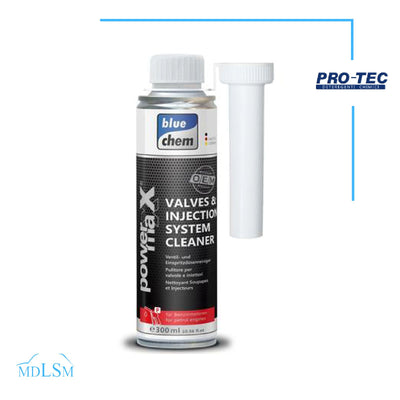
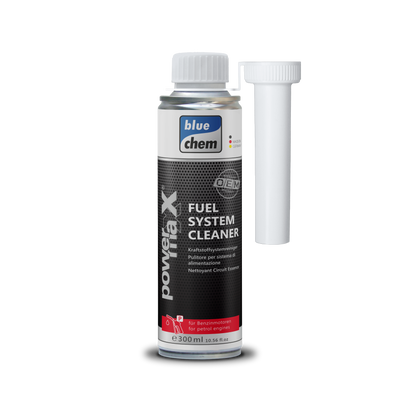
Most used. Added to tank, dissolves carbon deposits on injectors. Pro-Tec and Blue Chem are references. Every 5,000-10,000 km.
2. Valve cleaner (carbon cleaner)
For direct injection engines where petrol no longer passes over valves. Every 20,000-30,000 km.
3. Octane booster
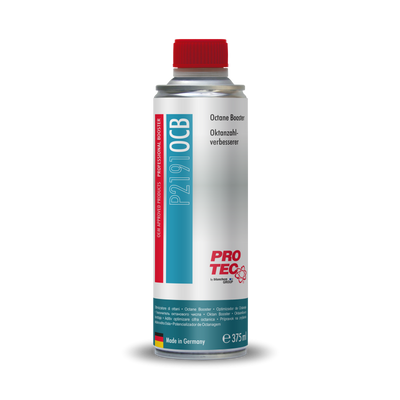
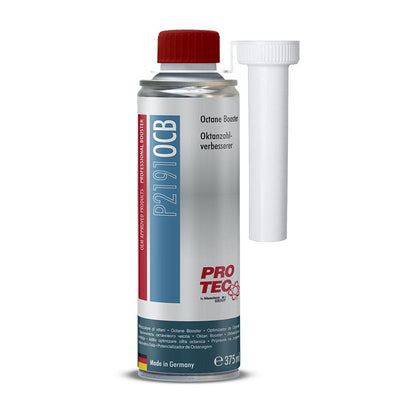
To boost octane number in low-quality petrol. Pro-Tec Octane Booster is the reference.
How often: practical guide
- Traditional injection: injector cleaner every 5,000-10,000 km
- Direct injection: cleaner every 5,000 km + carbon cleaner every 20,000-30,000 km
- LPG/Methane dual fuel: Pro-Tec Petrol System Cleaner LPG every 5,000 km
- Low-use cars (classics, weekend): stabiliser before winter storage
How to use
- Open vial or bottle
- Pour into tank before refuelling
- Fill normally
- Drive normally
Modern car compatibility
All Pro-Tec and Blue Chem additives compatible with lambda sensors, direct injection (GDI, FSI, TFSI, TSI), 3-way catalysts, port-injection, LPG/methane, start-stop.
What NOT to do
- ❌ Don't exceed recommended doses
- ❌ Don't use diesel additives on petrol
- ❌ Don't expect miracles from single application
- ❌ Don't replace service with additive
Conclusions
Small periodic investment in quality petrol additives keeps engine optimal. Complete Pro-Tec and Blue Chem petrol range on LS Motors. Shipping 24/48h.