Radiator Coolant: Complete Guide to Choosing the Right Colour
Red, green, yellow, blue: each coolant colour corresponds to a different chemical formula. Choosing the wrong one or mixing different colours can irreversibly damage the radiator and gaskets. Here's how to navigate it.
What coolant actually does
- Lowers the freezing point of the cooling circuit (down to -70°C in pure concentrates)
- Raises the boiling point: protects in summer and in heavy traffic
- Prevents corrosion of the radiator, water pump and gaskets
- Lubricates the water pump
The technologies and colours
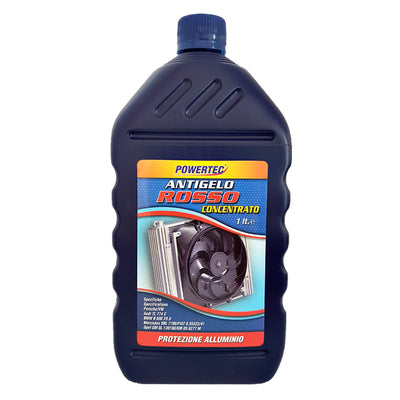
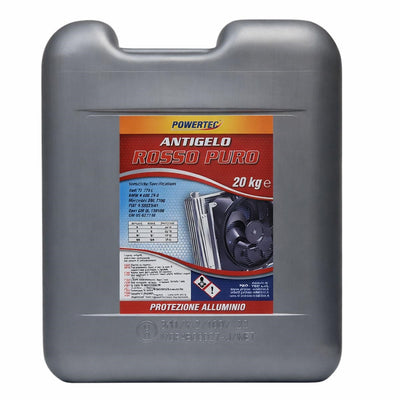
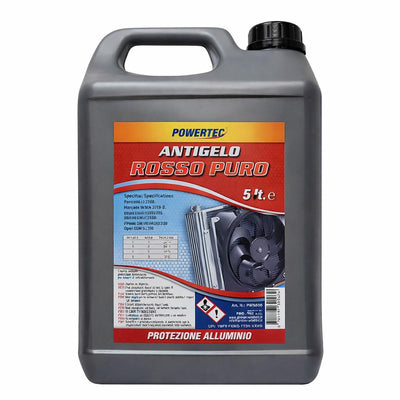
- OAT — red/orange: standard for modern European vehicles; protection up to 5 years; no silicates
- HOAT — yellow/purple: hybrid formula for those requiring silicates; lasts 2–3 years
- IAT — traditional green: older formula; replacement every 2 years; not recommended for modern engines
The MA-FRA Alu Flu range
- MA-FRA Alu Flu Red H0894 — OAT technology; protects down to -35°C (50:50 with distilled water); lasts up to 5 years; compatible with aluminium and modern alloys
- MA-FRA Alu Flu Green — new generation for modern engines with mixed aluminium and alloy circuits
- MA-FRA Alu Flu Yellow H0897 — HOAT technology; for vehicles that specify yellow coolant in the owner's manual
The essential rules
- Never mix different colours: OAT and IAT formulas react forming gelatinous deposits that clog the radiator
- Always use distilled or demineralised water — never tap water
- Standard dilution: 50% coolant + 50% distilled water
- Check the owner's manual for the specific standard required by your vehicle
- Replace every 2 years (IAT), 2–3 years (HOAT) or 4–5 years (OAT)